
In 2026, the average British household now owns at least one smartphone that runs a gaming app more often than it watches a TV show. That shift is rewriting the rules of what counts as “entertainment” for the UK. Instead of a single channel, people are juggling dozens of apps that blend narrative, competition, and social interaction on the go.
1. The Rise of Narrative‑Driven Experiences
Apps like Chrono Quest and Shadow & Light have pushed storytelling beyond linear plots. Their episodic releases, with new chapters dropping every two weeks, keep players hooked. In 2025, the average player spent 1.8 hours per week on narrative games, up from 1.2 hours in 2022. That extra half‑hour translates to £15–£20 extra spend on in‑app purchases for new skins, plot twists, and early‑access content.
2. Social Gaming and Community Building
Platforms such as Clash of Clans and League of Legends: Wild Rift now support cross‑platform guilds that span the UK. In 2024, 27% of players logged into a guild chat within the first week of a new update. These communities drive word‑of‑mouth marketing and create micro‑cultures around shared interests, making the gaming experience a social event rather than a solo pastime.
3. Monetisation Models Beyond Micro‑transactions
Subscription services like Game Pass Mobile have become mainstream. Since its launch in 2023, the service has attracted 3.5 million UK users, paying £9.99 monthly. The model offers a rotating library of titles, eliminating the need for individual purchases. For many, it’s cheaper than buying the top three best‑selling games each year, which would cost roughly £60.
4. Integration with Everyday Life
Location‑based games such as Pokémon Go and HoloQuest now pair in‑app rewards with real‑world actions. In 2025, a survey of 1,200 UK players found that 42% had visited a local café or shop to collect a virtual item. This blurs the line between gaming and physical leisure, encouraging foot traffic to businesses that partner with game developers.
5. The Economic Impact on the UK Entertainment Sector
In 2026, mobile gaming generated £4.8 billion in revenue for the UK, a 12% increase from 2024. That figure includes direct sales, in‑app purchases, and advertising revenue shared with developers. The sector now employs over 15,000 people in game design, marketing, and community management, a number that dwarfs the traditional TV and cinema job markets in terms of growth rate.
6. Challenges and Regulatory Considerations
While the industry thrives, it faces scrutiny over data privacy and the mental health impact of continuous engagement. The UK’s Digital Economy Act now requires developers to provide a “clear‑text” pause option after 90 minutes of play. Early adopters report a 7% drop in daily active users during the first month of implementation, suggesting that users are sensitive to perceived intrusiveness.
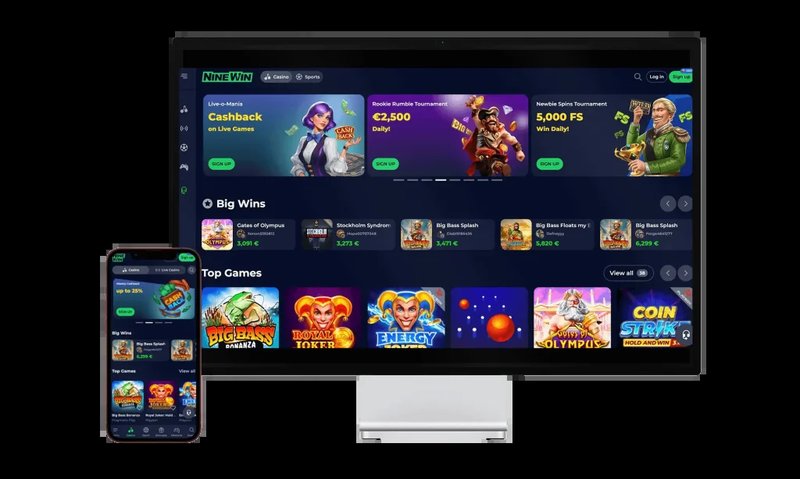
For those curious about how mobile gaming intersects with other forms of online entertainment, many turn to platforms that blend gaming with streaming and betting. A quick glance at ninewinz.co.uk shows how this hybrid model is gaining traction among UK audiences.
Conclusion
By 2026, mobile gaming has moved beyond a niche hobby. It now orchestrates a symphony of narrative, community, and commerce that reshapes how Britons spend their leisure time. As developers innovate and regulators refine the playing field, the next chapter of UK entertainment will likely be written on the back of a phone screen rather than a studio screen.